How Long Does It Take to Charge a Tesla? Complete Guide for 2026
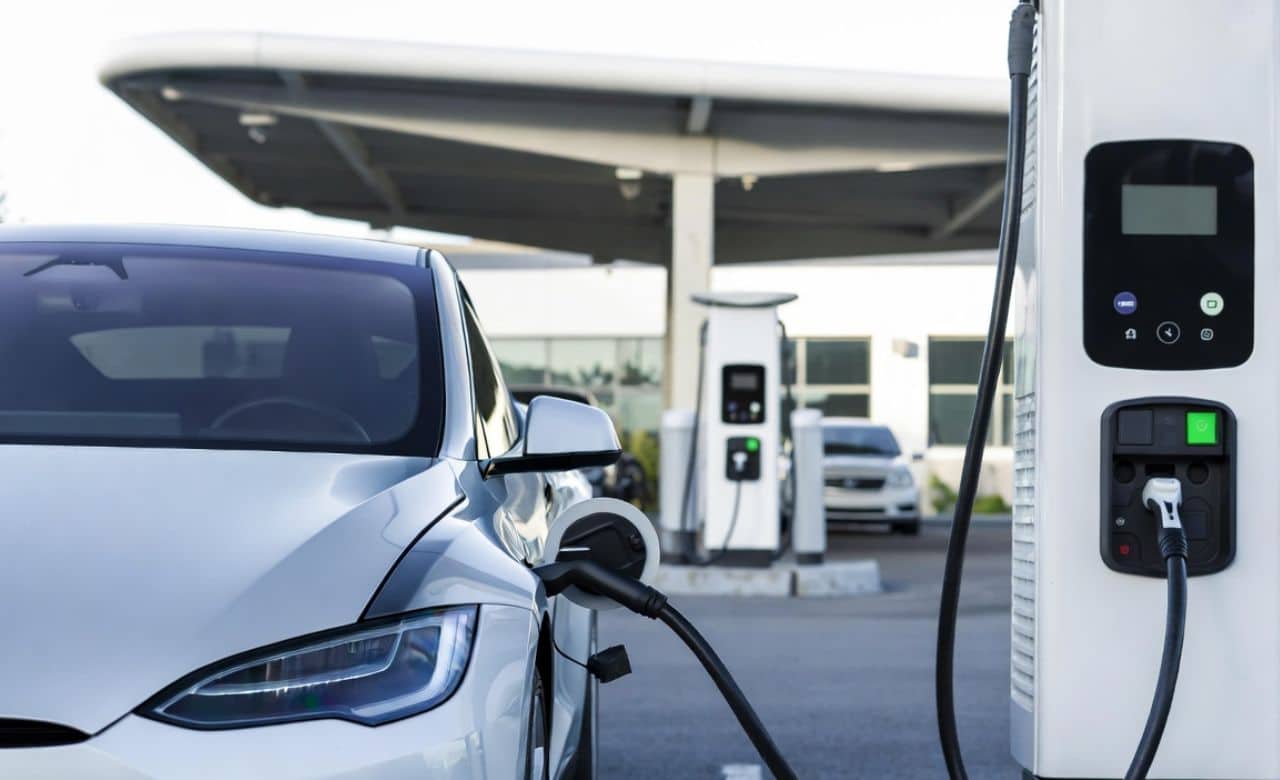
Every Tesla owner and anyone considering buying one needs to understand one practical reality: how long does it take to charge a Tesla? The answer ranges from as little as 15 minutes at a V3 Supercharger to as long as three to four days using a standard household outlet. The charging time depends on your Tesla model, the charger type, your battery size, and the outside temperature. Understanding these variables helps you charge smarter and eliminate range anxiety for good.
Key Points at a Glance
- Tesla Superchargers can charge most models to 80% in just 15 to 30 minutes
- Level 2 home chargers take 6 to 12 hours for a full charge, depending on the model
- Standard 120V outlets add only 2 to 3 miles of range per hour
- Tesla recommends charging to 80% daily for better long-term battery health
- Battery preconditioning cuts charging time by up to 25% in cold weather
The Three Types of Tesla Chargers Explained
Before you can understand how long charging takes, you need to know the three distinct charging levels available to Tesla owners. Each level delivers a different amount of power and suits a different situation. Choosing the right charger for the right scenario makes Tesla ownership far more convenient than most people expect.
Level 1 — Standard Household Outlet (120V)

Level 1 charging uses a standard 120-volt wall outlet. Tesla’s Mobile Connector plugs directly in and adds approximately 2 to 3 miles of range per hour. A full charge from empty takes anywhere from 3 to 7 days, depending on your model.
Level 1 charging is not a practical daily solution, but it serves as a critical emergency backup. Any standard wall outlet becomes a potential lifeline when you need enough juice to reach a faster charger.
Additionally, learn about Tesla Cybertruck prices in detail for different models and designs.
Level 2 — Home Wall Connector or Public Destination Charger (240V)

Level 2 charging delivers 240 volts through either Tesla’s Wall Connector at home or Destination Chargers at hotels, restaurants, and shopping centers. A Wall Connector adds up to 44 miles of range per hour, making it the most practical everyday solution for the vast majority of Tesla owners. A full charge typically takes 6 to 12 hours, depending on the model.
For most drivers covering 30 to 50 miles per day, Level 2 home charging means plugging in every night and waking up to a full battery every morning. Tesla’s Destination Charging network extends this convenience to hundreds of thousands of locations worldwide.
Moreover, if you want a pro AI album cover generator, then check out this informative guide and see which one is best for you.
Level 3 — Tesla Supercharger (DC Fast Charging)

Tesla Superchargers are the fastest charging solution and operate using direct current at up to 480 volts. V3 Superchargers deliver up to 250 kilowatts of peak power, allowing most models to gain 150 to 200 miles of range in 15 to 30 minutes. V2 Superchargers deliver up to 150 kilowatts and typically take 30 to 40 minutes to reach 80%.
Superchargers are designed primarily for road trips rather than daily home charging. Tesla’s in-car navigation automatically routes you to Supercharger stations, calculates the minimum charge needed at each stop, and precondition your battery before arrival so charging starts immediately at maximum speed.
Moreover, explore the top speed racing games for PS5 that will give you a realistic gaming experience at home.
Tesla Charging Times by Model
A lot of new Tesla owners immediately start searching “How Long Does It Take to Charge a Tesla” because charging time varies a lot depending on the charger type and model. Each Tesla model carries a different battery size, which directly affects how long charging takes. Smaller batteries charge faster in absolute time, while larger ones hold more energy and deliver more range. Here is a breakdown of charging times for each current Tesla model.
Tesla Model 3
The Model 3 is Tesla’s most popular model and quickest to charge thanks to its compact battery. It offers up to 363 miles on a full charge. At a V3 Supercharger, it reaches 80% in 15 to 20 minutes, while a V2 Supercharger takes up to 40 minutes. Level 2 home charging takes 8 to 12 hours.
Tesla Model Y
The Model Y shares a similar charging profile to the Model 3, given the same platform. It offers up to 337 miles on a full charge. A V3 Supercharger charges it to 80% in 15 to 20 minutes, while a 150-kW charger takes up to 40 minutes. Level 2 home charging takes 8 to 12 hours.
Tesla Model S
The Model S carries a significantly larger battery, meaning longer charging times even on fast chargers. It delivers up to 402 miles on a full charge. At a 250-kW Supercharger, it takes 30 to 40 minutes to reach 80%. A 150-kW charger takes up to 60 minutes. Level 2 home charging takes 12 to 20 hours.
Tesla Model X
The Model X carries a large battery similar to the Model S with matching charge times. It offers up to 329 miles on a full charge. A 250-kW Supercharger charges it to 80% in 30 to 40 minutes, while a 150-kW charger takes up to 60 minutes. Level 2 home charging takes 12 to 20 hours.
Key Factors That Affect Tesla Charging Time
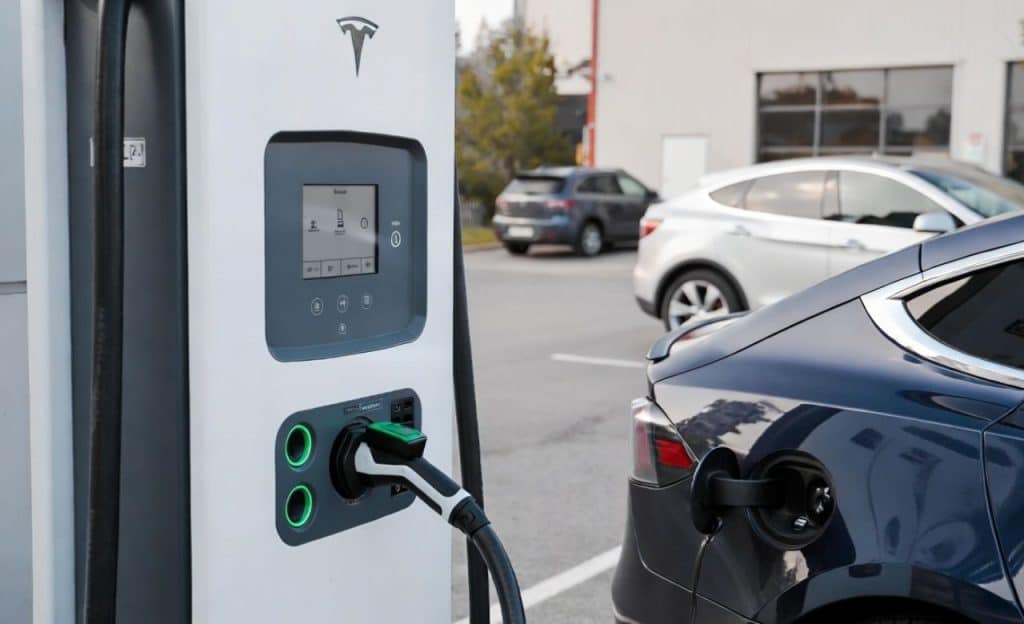
Several real-world factors influence how quickly your Tesla charges, and understanding them helps you set accurate expectations. Ignoring these factors leads to frustration when charging takes longer than published estimates suggest.
Battery Size and State of Charge
Larger battery packs take more time to fill regardless of charger speed. A Model S with a 100-kWh battery always takes longer than a Model 3 with a 60-kWh battery on the same charger. The starting charge level also matters; charging from 10% to 80% happens far faster than from 80% to 100%, because the battery management system deliberately slows above 80% to protect cells from heat damage.
Temperature and Weather Conditions
Cold weather significantly slows Tesla charging because the battery must warm before accepting power. Charging in cold winter conditions can take up to 50% longer than in moderate temperatures. Tesla’s battery preconditioning feature solves this. When you navigate to a Supercharger, the car warms the battery before arrival, cutting charging time by up to 25%.
Hot weather also affects charging, as the battery management system throttles power to prevent overheating. Parking in shade before charging in extreme heat helps maintain optimal speeds.
Supercharger Version
Not all Superchargers deliver the same power. V3 Superchargers cap at 250 kilowatts, V2 at 150 kilowatts, and V4 adds longer cables at the same 250-kilowatt peak. The V2-to-V3 difference alone can add 15 to 20 minutes to your stop.
The 80% Charging Curve
Tesla Superchargers work fastest when the battery is nearly empty. A Model 3 at 10% can gain 150 miles in 15 minutes, while the same car at 60% might add only 80 miles in that same window. Planning stops with a lower battery always maximizes charging speed.
Smart Charging Tips Every Tesla Owner Should Know
Developing good charging habits early protects your Tesla battery’s lifespan and makes every session faster. These simple practices deliver real benefits over the life of the vehicle.
- Charge to 80% daily, save full charges for long road trips
- Use preconditioning in cold weather, navigate to the Supercharger so the car warms the battery before you arrive
- Plug in nightly at home, treating Tesla like a smartphone, eliminates range anxiety
- Avoid running the battery to zero. Charging from 10% to 80% is dramatically faster
- Use the in-car trip planner. Tesla’s navigation optimizes Supercharger stops based on weather and charge level
- Schedule off-peak charging; many utilities offer lower rates at night
FAQs About Tesla Charging Times
How long does it take to charge a Tesla at a Supercharger?
Most models charge from 10% to 80% in 15 to 30 minutes at a V3 Supercharger. Larger models like the Model S and Model X take 30 to 40 minutes. V2 Superchargers take 40 to 60 minutes, depending on the model.
How long does it take to fully charge a Tesla at home?
A Tesla Wall Connector takes 8 to 12 hours for the Model 3 and Model Y, and 12 to 20 hours for the Model S and Model X. Most owners plug in overnight and wake up to a full battery every morning.
Why does Tesla’s charging slow down after 80%?
The battery management system reduces the speed above 80% to prevent overheating and cell damage. Charging from 80% to 100% takes roughly the same time as 0% to 80%. Tesla recommends charging to 80–90% daily and saving 100% for long trips.
Does cold weather affect Tesla charging time?
Yes, cold weather can increase charging time by up to 50%. Tesla’s preconditioning feature heats the battery automatically when you navigate to a Supercharger, recovering most of the speed before you arrive.
Can I charge a Tesla with a regular wall outlet?
Yes, Tesla’s Mobile Connector works with 120-volt outlets, but adds only 2 to 3 miles per hour. A full charge on a Model 3 takes 3 to 4 days. Use it as an emergency backup only.
Conclusion
How long does it take to charge a Tesla depends on the model, charger type, battery level, and weather, but the experience is far more convenient than most people imagine before buying. A Supercharger delivers an 80% charge in 15 to 40 minutes, while a home Wall Connector refills your battery overnight. Standard outlets work in emergencies but are too slow for daily use.
Build smart habits from day one, plug in nightly, charge to 80% for everyday driving, and use preconditioning before Supercharger stops. Follow these practices, and charging becomes a seamless part of Tesla ownership that you barely think about.