How Long Do Tesla Batteries Last? Complete Guide for 2026
Every Tesla owner and potential buyer needs to understand one of the most important questions about electric vehicles: how long do Tesla batteries last? Tesla batteries are designed to last between 300,000 and 500,000 miles, which translates to approximately 20 or more years for the average driver. Real-world data collected from Tesla owners consistently shows that most batteries retain 85% to 90% of their original capacity even after 200,000 miles. Understanding battery lifespan, degradation patterns, and how to protect your battery helps you get the most out of your Tesla for decades.
Key Points at a Glance
- Tesla batteries are designed to last 300,000 to 500,000 miles or roughly 1,500 charge cycles
- Most Tesla batteries retain 85% to 90% of their original capacity after 200,000 miles
- Tesla covers all current models with an 8-year battery warranty, guaranteeing at least 70% capacity
- Battery degradation is fastest in the first 25,000 miles, then slows significantly
- Charging to 80% daily instead of 100% significantly extends battery life
- Frequent Supercharger use accelerates long-term degradation over the years
- Extreme heat is the single biggest enemy of Tesla battery longevity
- Battery replacement costs range from $5,000 to $25,000, depending on the model
How Long Do Tesla Batteries Last?
Tesla batteries last far longer than most people expect, and the real-world data collected from hundreds of thousands of vehicles now confirms what Tesla has claimed for years. Tesla CEO Elon Musk has stated publicly that Model 3 and Model Y batteries are designed to handle 1,500 full charge cycles, which translates to approximately 300,000 to 500,000 miles depending on the variant. At the average American driving pace of 13,500 miles per year, that means most Tesla batteries will outlast 20 to 35 years of typical ownership.
Real-world owner data collected through 2025 shows that most Tesla packs retain 85% to 90% of original capacity around the 200,000-mile mark. Tesla’s own Impact Report data confirms that Model S and Model X batteries lose only about 12% of capacity on average after 200,000 miles. Model 3 and Model Y Long Range versions perform similarly, with real-world datasets showing single-digit degradation even after 100,000 miles in many cases. In practical terms, these results mean most Tesla owners will never need a battery replacement during normal vehicle ownership.
Also, learn about how to use the PS4 controller on PS5 with ease, in simple steps, and in no time.
How Does Tesla Battery Degradation Work?
Tesla battery degradation does not happen suddenly or all at once — it follows a gradual and predictable curve that most owners barely notice in day-to-day driving. The battery slowly loses the ability to hold its original maximum charge over time, resulting in a slightly shorter range as the vehicle ages. Understanding this pattern helps owners set realistic expectations and recognize when degradation is normal versus when something may need attention.
The Degradation Curve Explained
Tesla batteries experience their steepest capacity loss in the first 25,000 miles, dropping approximately 5% on average. After this initial settlement period, degradation slows dramatically to roughly 1% per 25,000 miles in most real-world datasets. A Tesla with 100,000 miles typically retains around 90% to 93% of its original capacity, a level most owners barely notice in daily driving.
The degradation curve flattens further as the battery ages past the initial period. You do not lose the same percentage every year indefinitely; the rate of loss decreases over time. A Model Y with an original EPA range of 330 miles might show 295 to 310 miles at full charge after 100,000 miles, a difference most drivers handle comfortably.
Moreover, let’s unlock the benefits of cloud computing essentials that are now taking the technology to the next level.
Tesla Battery Warranty — What Does It Cover?

Tesla backs every new vehicle with one of the most comprehensive battery warranties in the EV industry. The warranty covers both the battery pack and the drive unit, the two most expensive and critical components in any Tesla. Understanding exactly what the warranty covers helps you evaluate the true risk of ownership and make a confident purchase decision.
Furthermore, learn the complete method to connect PS5 controller to iphone in detail with easy steps.
Battery Warranty by Model (2026)
Tesla’s Battery and Drive Unit Limited Warranty guarantees that each battery retains at least 70% of its original capacity within the covered period. If the battery drops below this threshold, Tesla repairs or replaces the pack at no cost to the owner.
- Model S and Model X — 8 years or 150,000 miles, whichever comes first
- Model 3 and Model Y Long Range / Performance — 8 years or 120,000 miles, whichever comes first
- Model 3 and Model Y Rear-Wheel Drive — 8 years or 100,000 miles, whichever comes first
A lot of people shopping for a Tesla or already owning one often search “How Long Do Tesla Batteries Last” because they’re worried about expensive replacements down the road. The 70% capacity threshold translates directly into real-world range. A Model Y Performance with an original EPA rating of 303 miles would still provide at least 212 miles of range at the end of the warranty period, more than enough for the vast majority of daily driving needs.
On the other hand, check out the best AI album cover generator with a detailed comparison so that you can pick the top-rated.
Key Factors That Affect Tesla Battery Life
Several real-world factors directly influence how quickly your Tesla battery degrades and how many miles it ultimately delivers before reaching the 70% capacity threshold. Owners who understand these factors can make simple, practical decisions that add years and tens of thousands of miles to their battery’s usable life.
Moreover, check out the best PS5 racing games in 2026 that will give you the ultimate gaming experience.
Charging Habits
Your daily charging routine has the most direct and controllable impact on long-term battery health. Tesla recommends charging to 80% for daily use and only going to 100% when you need maximum range for a long trip. Keeping the battery between 20% and 80% reduces voltage stress on the cells and slows calendar aging significantly.
Charging to 100% every night or letting the battery sit fully charged for extended periods creates high-voltage stress that accelerates chemical aging. Letting the battery drop to 0% causes permanent damage. The sweet spot is keeping the battery between 20% and 80% as much as possible for everyday driving.
Frequency of Supercharger Use
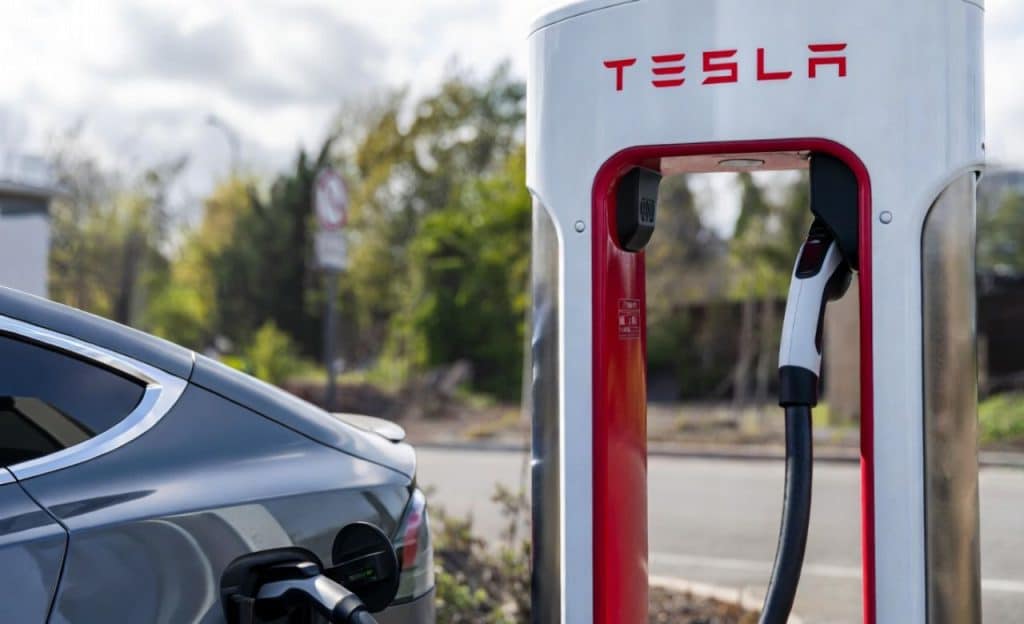
Superchargers deliver DC fast charging at high power levels, generating significant heat inside the battery pack. Using Superchargers occasionally causes no meaningful harm, but relying on them as your primary daily charging method over the years accelerates long-term degradation. Tesla’s battery management system helps by preconditioning the battery before fast charging, but heat from thousands of fast-charging sessions still takes a toll on cell chemistry.
In real-world conditions, the answer to “How Long Do Tesla Batteries Last” is typically 300,000 to 500,000 miles or around 15–20+ years for most drivers, with only about 10–15% capacity loss after 200,000 miles. The best approach is a home Wall Connector or Level 2 charging for daily needs and Superchargers reserved for road trips. This single habit can meaningfully extend your battery’s usable life over a long ownership period.
Temperature and Climate
Heat is the single biggest long-term enemy of lithium-ion battery chemistry, and Tesla batteries are no exception. Repeated high temperatures, especially when the battery sits near 100% charge in extreme heat, accelerate the chemical aging process inside the cells. Owners in very hot climates like Arizona, Texas, and Nevada may notice slightly higher degradation rates than those in cooler regions.
Cold weather affects short-term range and charging speed but causes less permanent damage than heat over the long run. Tesla’s thermal management system continuously works to keep the battery at its optimal temperature, but parking in shade and avoiding prolonged sun exposure in extreme heat still helps protect the pack.
Driving Style
Aggressive driving, frequent rapid acceleration, high-speed highway cruising, and hard braking drain the battery faster and generate more heat than smooth, steady driving. While occasional spirited driving causes no serious long-term harm, consistently aggressive habits over hundreds of thousands of miles contribute to faster degradation. Smooth acceleration and anticipating stops ahead of time help preserve both the battery and the regenerative braking system.
How Much Does It Cost to Replace a Tesla Battery?

While most Tesla owners will never need a full battery replacement during normal ownership, knowing the potential cost matters for long-term financial planning. Replacement costs vary by model and whether you use a Tesla Service Center or a third-party shop.
Tesla Battery Replacement Cost Estimates (2025–2026)
- Tesla Model Y — approximately $5,000 to $5,500
- Tesla Model 3 — approximately $14,000 or more
- Tesla Model S — approximately $13,000 to $20,000
- Tesla Model X — approximately $14,000 or more
These reflect out-of-warranty replacements. Under the 8-year warranty, Tesla covers all costs if the pack drops below 70% capacity. Since most battery projects last well beyond the warranty period without hitting that threshold, these costs represent a worst-case scenario for most owners.
Smart Habits That Extend Tesla Battery Life
Developing a few simple charging and driving habits from day one of ownership dramatically extends battery life and protects the value of your investment. None of these habits requires significant inconvenience; they simply shift slightly how you interact with your vehicle each day.
- Charge to 80% daily — set your charge limit to 80% in the Tesla app for everyday use and raise it to 100% only for long trips
- Avoid leaving the battery at 0% or 100% — both extreme states create voltage stress that accelerates aging
- Use home charging as your primary method — reserve Superchargers for road trips rather than daily use
- Park in shade or a garage during extreme heat — reducing heat exposure significantly slows chemical aging
- Enable scheduled charging — set the car to finish charging shortly before you leave, so it does not sit at 100% for extended periods
- Use battery preconditioning — let the Tesla warm the battery before fast charging in cold weather to reduce cell stress
FAQs About Tesla Battery Life
How many miles do Tesla batteries last?
Tesla batteries are designed to last 300,000 to 500,000 miles before dropping to around 70% of their original capacity. Real-world data shows most batteries retain 85% to 90% capacity after 200,000 miles, confirming the projected lifespan for owners who maintain good charging habits.
How long does a Tesla battery last in years?
At 13,500 miles per year, the US average, a Tesla battery designed for 300,000 to 500,000 miles should last roughly 22 to 37 years. In practice, most batteries will outlast every other component of the vehicle before a replacement becomes necessary.
Does Tesla replace batteries for free?
Tesla repairs or replaces any battery that drops below 70% original capacity within the warranty period at no cost. Out-of-warranty replacements cost between $5,000 and $20,000, depending on the model.
Does frequent Supercharger use damage the battery?
Occasional Supercharger use for road trips causes no meaningful harm. However, using Superchargers as your primary daily charging method over the years accelerates degradation through accumulated heat. Home Level 2 charging is significantly better for long-term battery health.
What kills Tesla batteries fastest?
The three biggest causes of accelerated degradation are extreme heat exposure, frequent daily charging to 100%, and regularly letting the battery drop near 0%. Avoiding these three habits significantly extends battery life and protects long-term range and resale value.
Conclusion
Understanding “How Long Do Tesla Batteries Last” gives peace of mind, especially since Tesla backs them with an 8-year warranty and real owner data shows they hold up exceptionally well over time. The battery warranty provides a strong safety net, but most batteries significantly outlast the warranty period with normal use. Your charging habits, climate, and driving style all play a meaningful role in how well the battery performs over the years.
Charge to 80% daily, avoid extreme heat, use home charging as your primary method, and reserve Superchargers for long trips. Follow these simple practices and your Tesla battery will deliver strong performance and impressive range for well over a decade of ownership, likely for the entire life of the vehicle itself.