Retailers Entering Fuel Business: Why Major Stores Add Gas Stations

Retailers entering the fuel business add gas stations and convenience forecourts to their stores to attract more customers and increase sales. Fuel is offered at low prices, so traffic is driven into the main retail area for groceries and other items. Major chains like Walmart, Kroger, Costco, and Dollar General expand their fuel networks rapidly in 2026 because loyalty programs and in-store purchases create extra profit. Thin fuel margins are offset when shoppers buy more inside the store after filling up. The trend continues as competition grows and EV charging is added for future readiness. Smart decisions are made when the right fuel strategy is chosen.
Why Retailers Are Entering the Fuel Business
Retailers are entering the fuel business because extra traffic is created at their locations. Customers stop for cheap gas and then shop for everyday needs inside the store. Higher overall sales are achieved when fuel acts as a powerful draw.
Loyalty is built when membership discounts on fuel are offered. Long-term customer relationships are strengthened through these programs. Revenue streams are diversified beyond traditional retail sales.
Benefits of Fuel Stations for Retail Stores
The benefits of fuel stations for retail stores are seen in increased foot traffic and higher average spending. Convenience is provided to shoppers who combine filling up with grocery runs. Profits are boosted even when fuel itself earns low margins.
In-store purchases are encouraged after customers park at the pumps. Brand loyalty grows when rewards are tied to both fuel and merchandise. Competitive advantage is gained over stores without fuel options.
In addition, get complete information on how to search the Georgia Secretary of State business easily with a step-by-step guide.
Traffic and Loyalty Gains from Fuel
Traffic and loyalty gains from fuel are noticed quickly after stations are added. More vehicles visit the site daily because prices are kept attractive. Repeat visits are encouraged when fuel savings are linked to store rewards.
Customer data is collected through loyalty apps at the pump. Personalized offers are sent based on buying habits. Stronger connections are formed between the retailer and its shoppers.
Major Retailers Leading the Fuel Expansion
Major retailers leading the fuel expansion include Walmart, Kroger, Costco, and Dollar General. Aggressive growth plans are followed to capture more market share. Thousands of new or remodeled stations are opened across the country in 2026.
Walmart Fuel Station Growth

Walmart’s fuel station growth is achieved by adding or remodeling dozens of locations each year. Over 450 stations are operated in 34 states as of early 2026. Walmart+ members receive extra savings at the pump to drive more visits.
Furthermore, explore the California business organization search with this informative guide in simple steps.
Kroger Fuel Centers Expansion
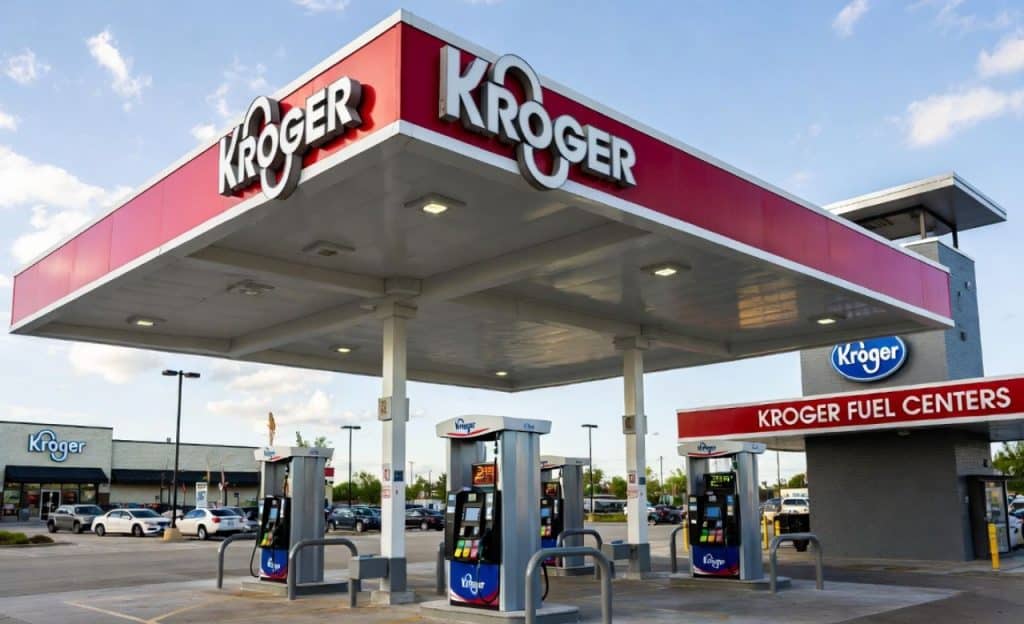
Kroger fuel centers’ expansion reaches more than 1,700 locations nationwide. Fuel points are rewarded when groceries are purchased first. Shoppers are pulled into the store before or after filling their tanks.
Costco Standalone Fuel Sites
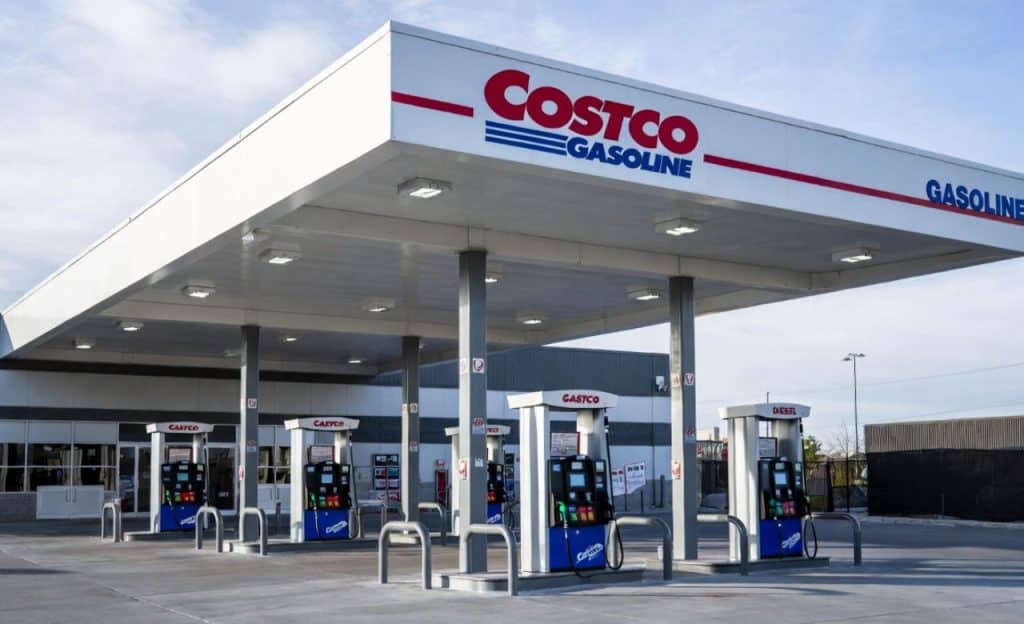
Costco’s standalone fuel sites are built with many pumps to serve members quickly. High-volume sales are handled without needing the main warehouse nearby. Low prices are maintained through efficient operations and membership requirements.
Moreover, check out how ERP and cloud computing work together and what benefits they give a business.
Dollar General Pilot Fuel Program
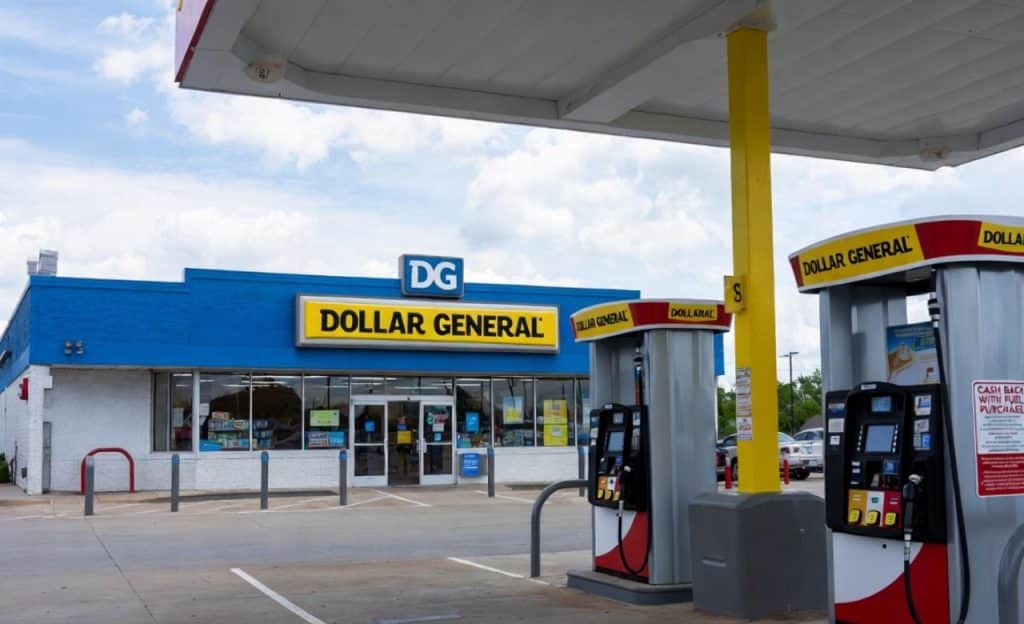
Dollar General’s pilot fuel program starts with 40 stations in rural southern states. Underserved areas are targeted where few options exist. Everyday low prices are extended from the store to the fuel pumps.
How Fuel Stations Drive In-Store Sales
Fuel stations drive in-store sales because customers are already at the location. Snacks, drinks, and groceries are bought while waiting or after pumping. The average transaction size is increased when fuel and retail are combined.
Convenience is offered through one-stop shopping. Time is saved for busy families and workers. Higher margins are earned on food and merchandise compared to fuel alone.
Challenges Faced by Retailers Entering Fuel Business
Challenges faced by retailers in the fuel business include thin profit margins on gasoline. Price fluctuations in the wholesale market are managed carefully. Competition from dedicated gas stations is faced every day.
High construction and maintenance costs are covered through increased store traffic. Regulatory rules for fuel storage and safety are followed strictly. Environmental concerns are addressed as EV adoption grows.
Also, being a worker, you must know about the no tax on overtime rule so that you can apply this rule for your benefit.
Future Trends in Retail Fuel with EV Charging
Future trends in retail fuel with EV charging are shaped by the shift to electric vehicles. Chargers are installed alongside traditional pumps to serve both customer types. Longer dwell times are turned into extra sales opportunities inside the store.
Prepared food offerings are expanded to attract EV drivers who wait longer. Technology is used for real-time pricing and reservations. Adaptability is shown when retailers prepare for changing energy needs.
8 Key Reasons Retailers Enter the Fuel Business
- Traffic increases when low fuel prices are advertised.
- Loyalty programs are strengthened with fuel rewards.
- In-store sales are boosted after customers fill up.
- Market share is captured from traditional gas stations.
- One-stop convenience is provided to busy shoppers.
- Data on customer habits is collected at the pumps.
- Brand visibility is raised through prominent forecourts.
- Future EV charging demand is prepared early.
These reasons are considered carefully before fuel stations are added. Success is achieved when the full strategy is implemented. Growth is supported when fuel is used as a smart business tool.
Key Points to Remember
Several key points are remembered when retailers entering fuel business are studied. Fuel is treated as a traffic driver rather than a main profit source. In-store sales are the real goal behind every pump.
Major chains like Walmart and Kroger lead the expansion with proven results. EV charging is added to stay ready for future changes. Careful planning is required to balance costs and benefits.
Frequently Asked Questions
Why are retailers entering fuel business?
Retailers are entering the fuel business in 2026 because more customer traffic is created at their stores. Sales inside the main retail area increase when gas is offered at low prices. Loyalty is built through membership discounts and rewards.
Which major retailers are adding the most fuel stations?
Major retailers adding the most fuel stations include Walmart, Kroger, Costco, and Dollar General. Walmart plans dozens of new or remodeled locations each year. Kroger already operates over 1,700 fuel centers across the country.
Do fuel stations make money for retailers?
Fuel stations make limited money for retailers because margins on gasoline are thin. The real profit comes from extra purchases made inside the store. Traffic and loyalty gains more than cover the lower fuel earnings.
How does EV charging change retail fuel strategies?
EV charging changes retail fuel strategies by attracting drivers who stay longer at the site. More food and convenience items are sold during the charging time. Retailers prepare early by installing chargers alongside traditional pumps.
Is it profitable for small retailers to enter the fuel business?
It is profitable for small retailers to enter the fuel business when traffic to the main store is increased. Careful cost planning is needed for construction and operations. Success depends on location and the ability to drive in-store sales.
Conclusion
Retailers entering fuel business add gas stations to create more customer visits and boost overall sales. Traffic is drawn in with low fuel prices, while in-store purchases are encouraged through convenience and rewards. Major chains like Walmart, Kroger, and Costco lead the way with large expansion plans in 2026.
Challenges such as thin margins and EV shifts are handled through smart strategies and technology. The trend continues because one-stop shopping meets modern customer needs. Stronger business growth is achieved when fuel is used as part of a complete retail plan.